 The Poultry Tip Site
How to Rear Broilers Successfully: From Day-Old Chicks to Market
Raising broilers successfully is not just about giving birds feed and waiting for them to grow. It is about making the right decisions at every stage—from preparing the brooding house and managing feed to protecting the flock, controlling costs, and finding the right market.
This guide walks you through every stage of broiler production, from preparing your first flock to selling your birds — what to do, what to watch for, and when.
What Are Broilers?
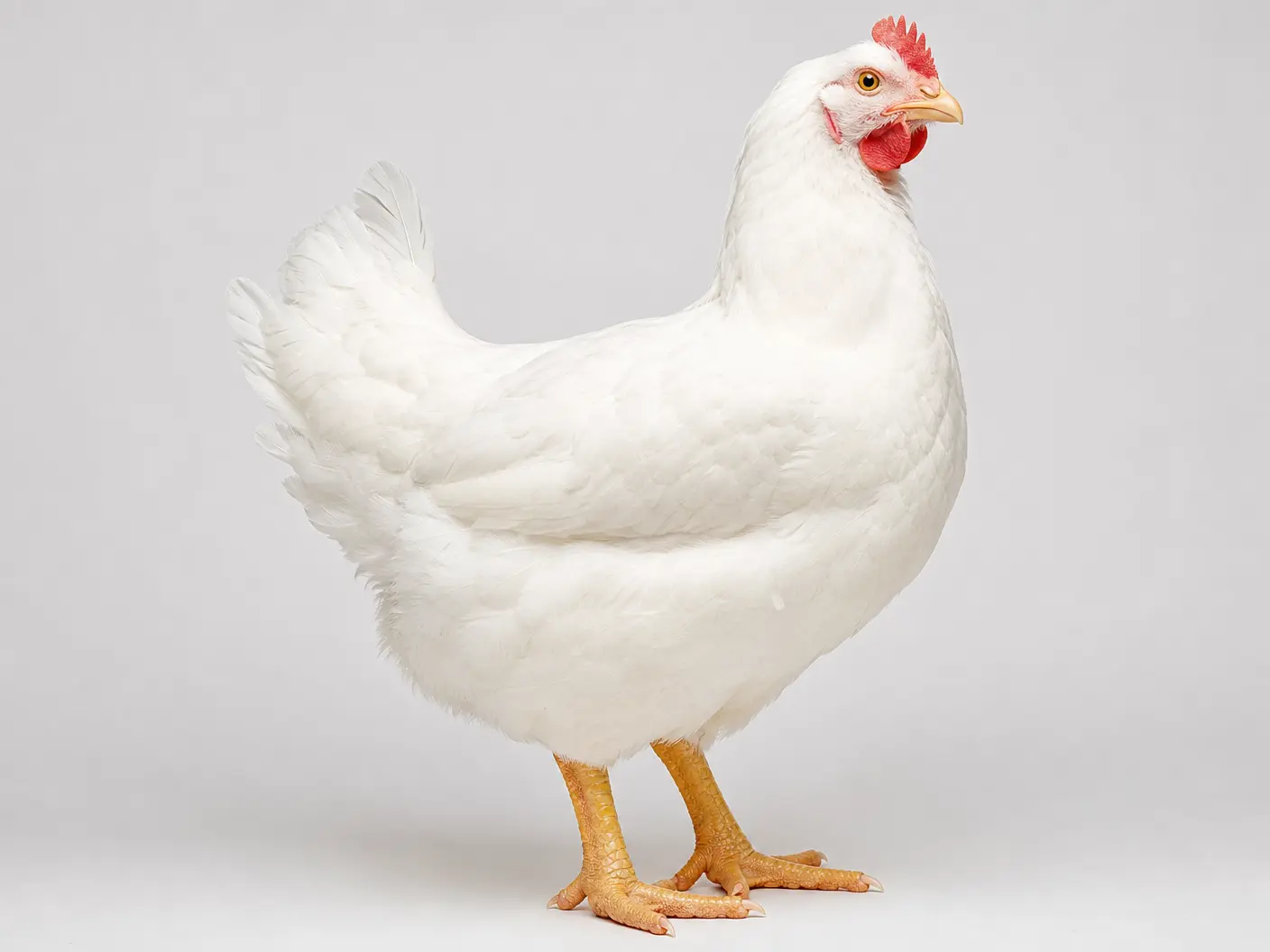
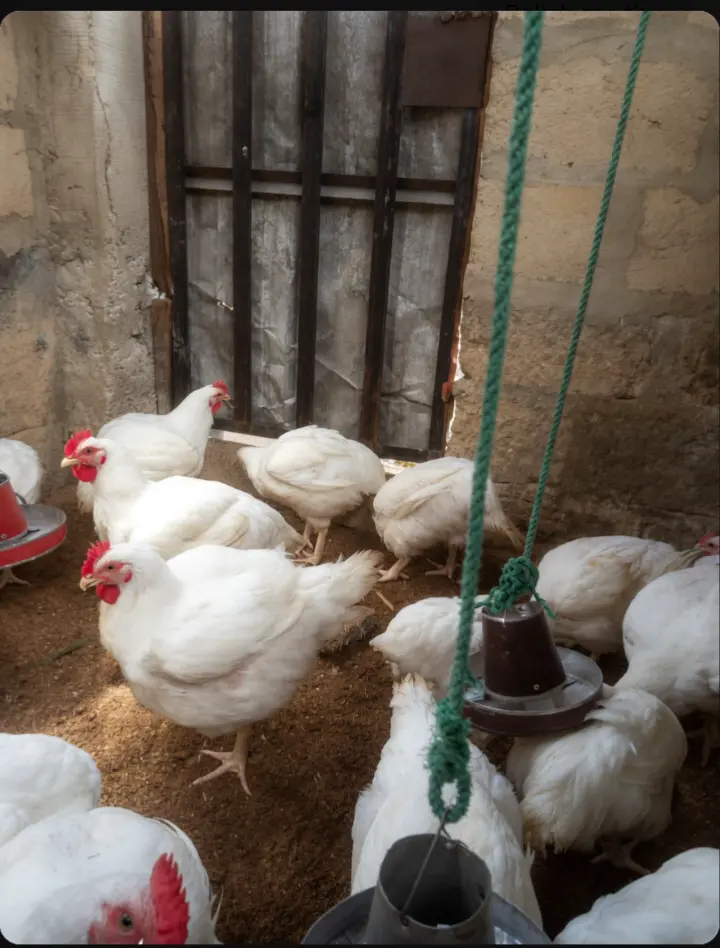
Broilers are chickens bred and raised specifically for meat production. They grow quickly and convert feed into body mass efficiently, which is why they are the preferred choice for meat farming. Broilers are typically raised in controlled environments, such as poultry farms, where they receive the nutrition, temperature, and ventilation needed to grow well. The goal of broiler rearing is simple: produce healthy, high-quality meat in the shortest practical time.
Three strains dominate broiler farming for their rapid growth and efficient feed conversion: Ross 308, Cobb 500, and Arbor Acres Plus. In Nigeria, Ross 308 is supplied by hatcheries such as Agrited, Sayed, and Valentine; Cobb 500 by hatcheries such as Chikun (Olam), NPG, and Zartech; and Arbor Acres Plus by hatcheries such as Fidan, CHI, and Amo.
Why Raise Broilers in Nigeria?
Chicken remains one of the most widely consumed meats in Nigeria, and demand holds steady around festive seasons, weekends, and events — meaning there's a consistent market for anyone producing at reasonable quality and cost. Broilers are especially attractive to new farmers because of their short production cycle: unlike layers, which take months before they start producing and stay in production for about 1–1½ years, broilers can be raised from day-old chicks to market weight in 5–8 weeks. That short cycle means faster turnover on your capital, quicker feedback on what's working, and less exposure to long-term risk while you're still learning.
If you are deciding between broiler and layer farming, our guide to Broilers vs Layers compares their production timelines, housing, feeding, vaccination, and management requirements to help you choose the option that best fits your budget and goals.
That said, broiler farming isn't hands-off — success depends on consistent management throughout.
Who This Guide Is For
Whether you are preparing your first flock, studying poultry production, building a small farm, or managing an established broiler operation, The Poultry Tip Site provides practical guidance for raising healthier birds and improving day-to-day farm management.
From brooding and housing to feeding, vaccination, broiler diseases, marketing, and feed planning, the site brings the essential parts of broiler production together in one place. Beginners will find a clear starting point, while experienced farmers can use the resources to review procedures, strengthen their routines, and respond more effectively to common production challenges.
What Broiler Rearing Involves
Successful broiler production rests on three connected areas: housing, feeding, and management. Here's the short version of each, with links to the full guide for every stage.
Housing
Broilers pass through two types of housing as they grow: a brooding house for their first few weeks, built to hold warmth and shelter chicks, and a rearing pen afterward, built for space and ventilation. Getting the brooding house right is the single most common place beginners lose birds early.
Feeding
Feeding moves through three stages — super starter, starter, and finisher — and how strictly you ration feed depends on whether you're targeting a 5–6 week or 8–10 week cycle. Feed is typically your largest recurring cost, so getting the schedule right matters more than almost anything else.
Read the full feeding guide → | Plan how much feed you’ll need →
Management
This covers everything from preparing the brooding house before your chicks arrive, to the vaccination and medication schedule through the full rearing period, to spotting stress and disease early. Management also involves marketing the broilers. It's the area where consistency matters most — missed vaccine doses, inconsistent care and poor marketing are the leading causes of avoidable losses.
Read about brooding → | See the vaccination schedule →
Marketing and Selling Your Birds
Marketing should be planned before your birds arrive — know your buyers (restaurants, hotels, shawarma and barbecue spots, cold rooms, the open market) and what they'll pay before you commit to production. Reaching more than one market and selling promptly protects your margins and helps you avoid unnecessary feed costs.
Getting Started: A Quick Checklist
Before your day-old chicks arrive, make sure you have:
- A cleaned, disinfected brooding space with litter material laid and covered
- A reliable heat source (bulbs, charcoal burner, or lantern) ready to go
- Drinkers and feeders in place, with glucose and multivitamin ready for arrival day
- A foot dip with disinfectant at the entrance
- Your vaccination and medication schedule planned out in advance, not figured out as you go
- A rough sense of your target cycle length (5–6 weeks vs. 8–10 weeks), since it changes your feeding plan from day one
- A book or system for record keeping
Also worth reading before you start: Common Mistakes Beginner Broiler Farmers Make.
Common Broiler Diseases at a Glance
Here are a few common diseases and some symptoms they may cause:
- Gumboro disease (IBD): whitish droppings, sudden high mortality.
- Newcastle disease: lameness, twisted neck, sudden high mortality.
- Fowl typhoid: diarrhoea, brownish droppings, usually low mortality if treated promptly.
- Coccidiosis: brownish, watery diarrhoea that turns blood-streaked if untreated; reduced feed intake and dullness.
Have a question this page didn't answer? Check the FAQ or reach out directly.